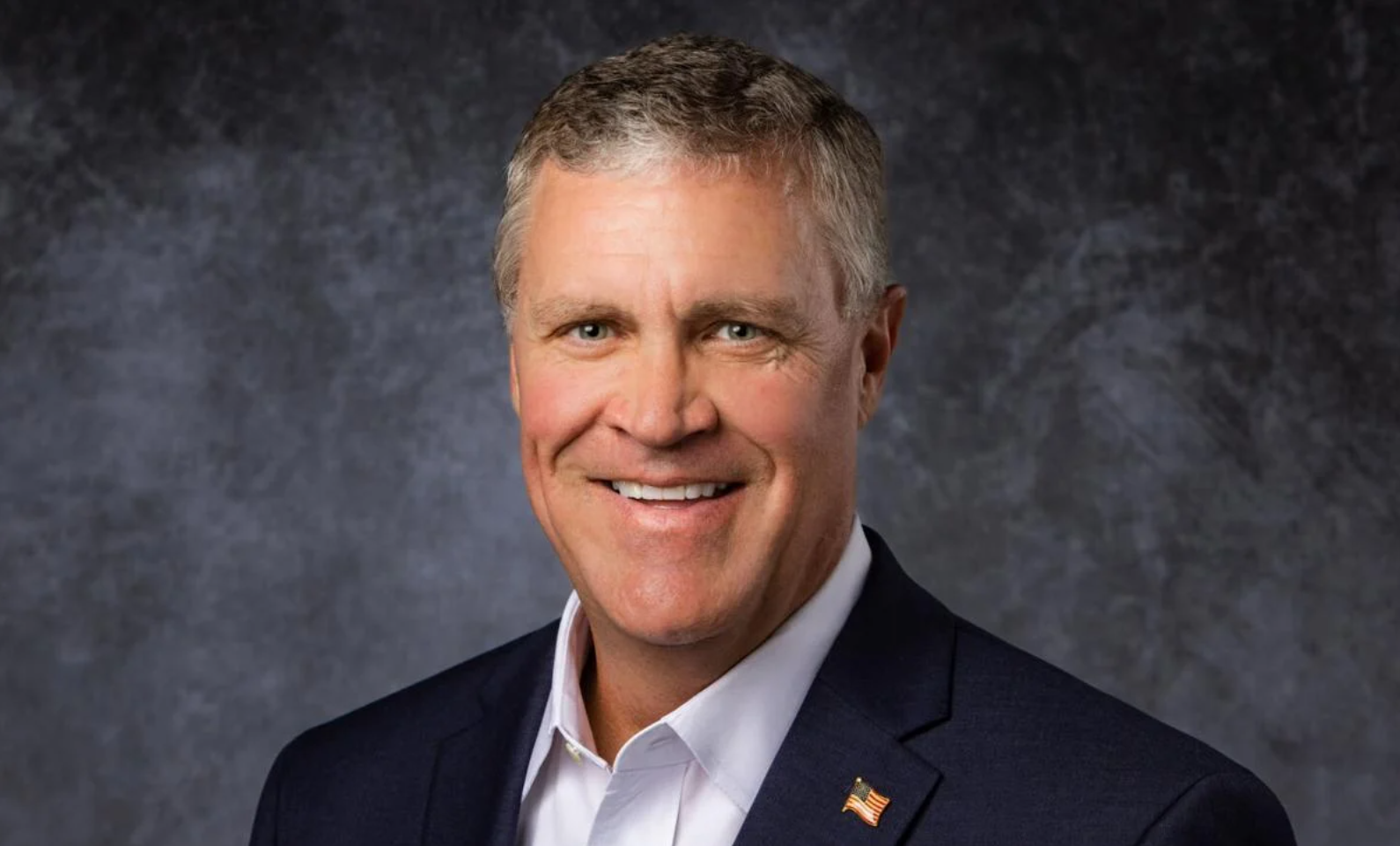
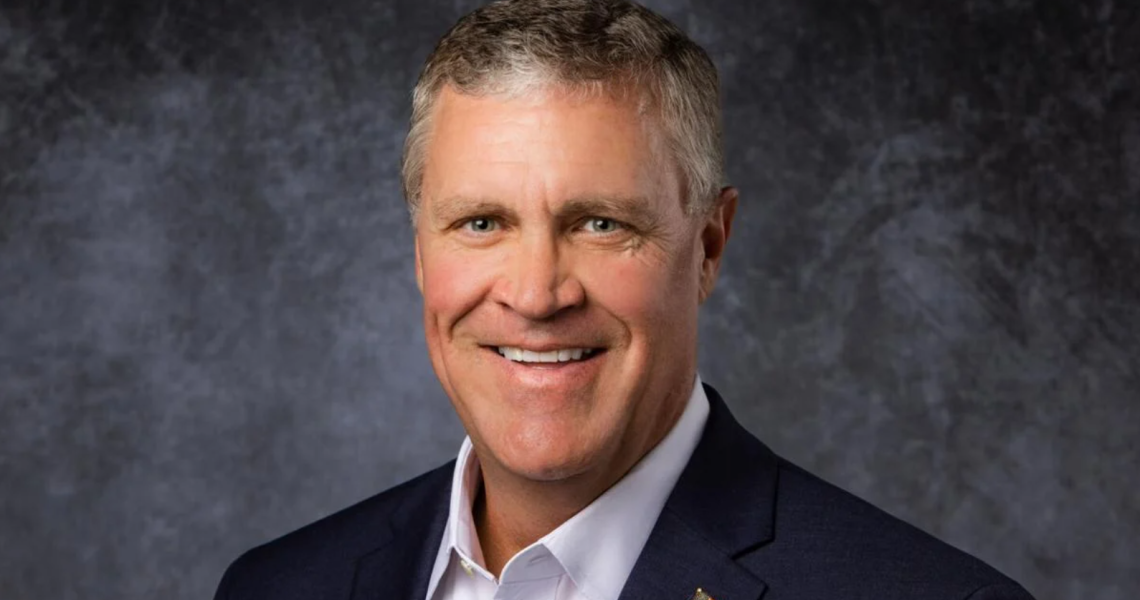
Rob Hochstetler, president & CEO of Central Electric Power Cooperative
The following commentary by Rob Hochstetler, president and CEO of Central Electric Power Cooperative, was published by The Post and Courier on May 19, 2026:
One of my favorite stories is about the man who prayed to be rescued from a flood but refused help from two boats and a helicopter while he waited for a miracle.
The man ultimately met his maker because he failed to recognize the clear solutions before him.
The tale carries a lesson we all should apply to meeting our state’s growing energy needs.
South Carolina needs more power — today. Since it takes years to permit, design and build power plants, we must start now so today’s energy constraints don’t become tomorrow’s energy crisis.
Like the man awaiting rescue, we have an obvious answer before us — the proposed 2,200-megawatt natural gas power plant at Canadys.
South Carolina’s electric cooperatives support that joint project by Santee Cooper and Dominion Energy South Carolina, and we applaud the S.C. Public Service Commission’s recent decision to approve it.
Here’s why.
I work for Central Electric Power Cooperative. Our state’s 19 electric cooperatives have entrusted us with getting them the power they need so they can deliver it to 2 million South Carolinians across all 46 counties.
We get most of our power from Santee Cooper. Through that deal, we buy most of the electricity Santee Cooper produces, and we pay about 70 cents of every dollar it spends on power plants.
That means we have skin in the game. As not-for-profit, consumer-owned utilities, our focus is to keep the lights on at prices our members can afford. We have a direct stake in Santee Cooper making wise decisions with our members’ money, and we have not hesitated to speak up when we disagreed with the agency’s plans.
Several years ago, we asked our experts to identify the best way to meet our state’s growing energy needs. They graded the possible projects based on price, risk, location, fuel type and construction timeline.
Among all the options, our experts independently reached the same conclusion as Santee Cooper and Dominion: a large combined-cycle gas plant in the Colleton County area.
South Carolina needs the always-available energy this plant will produce.
As the nation’s fastest-growing state per capita, South Carolina would need this project even if we somehow put a complete halt to economic development.
About 85,000 new residents move to South Carolina every year, adding roughly 200 megawatts of peak electric demand to the grid annually. After five years, that residential growth totals 1,000 megawatts — the equivalent of Santee Cooper’s share of the Canadys project.
Data centers are coming, too, but we’re already setting record-high peaks in energy demand every summer and winter even though our co-ops have added no data centers in nearly two decades.
South Carolina hasn’t built a major power plant in years. We’re bursting at the seams, and our power reserves are wearing thin.
Critics of the Canadys project have raised questions about its $5 billion price tag, large scale and carbon footprint. They have urged policymakers to pump the brakes and consider alternatives such as solar and batteries.
We asked many of the same questions as we studied the project. Here’s what we learned:
- While the price has risen as other states have raced ahead of South Carolina to build similar plants, the Canadys plant will still generate cost-effective electricity.
- The project’s scale is what makes it appealing. Having Santee Cooper and Dominion work together spreads both risk and costs. Building one big plant will cost 30 percent less than building two smaller plants separately.
- While Canadys won’t be carbon-free, combined-cycle plants are highly efficient and far more sustainable than traditional forms of power generation.
- Building the equivalent capacity in solar and batteries would cost substantially more while still leaving us short on power.
- This project has been debated for more than two years. Further delays will only increase the cost for consumers.
Our industry is always looking forward to the next great thing. We haven’t yet invented the perfect power plant that generates low-cost, carbon-free electricity every hour of every day. When we do, it will indeed be miraculous.
But right now, South Carolina is running low on power and short on time. We can’t wait for a miracle. Let’s pursue the proven solution in front of us.